Radiation Biology and Toxicology
Project 1: Combining 177Lu-PSMA with DNA break repair inhibitors to improve the advanced prostate cancer treatment outcomes
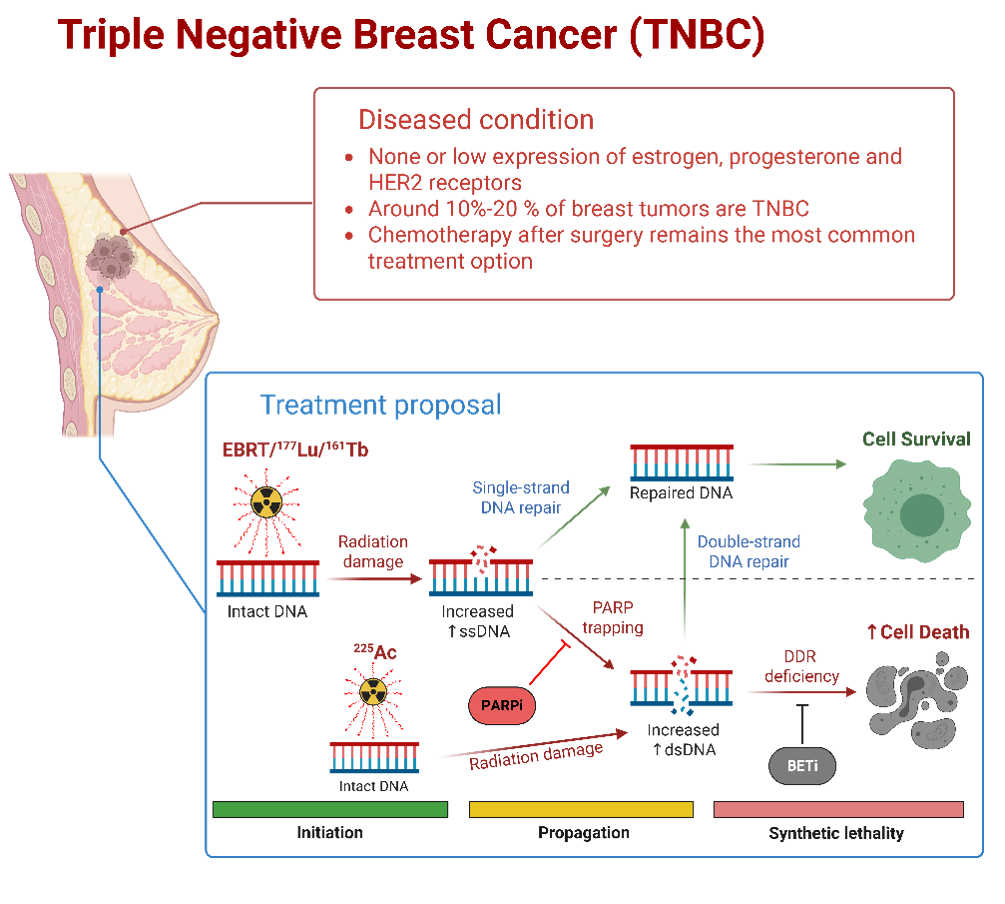
We are evaluating rational combination strategies that pair 177Lu-PSMA radioligand therapy with targeted DNA-damage–response modulation, specifically PARP (Poly(ADP-ribose) polymerase) inhibitor and Bromodomain and extra terminal (BET) protein inhibitor. In PSMA-positive prostate cancer models, we assess whether PARP inhibition (synthetic-lethality/repair trapping) and BET inhibition synergistically intensify radiation-induced DNA damage and tumor control without compromising tolerability. Across coordinated in vitro and in vivo studies, we quantify synergy, DNA-damage signaling, cell-cycle arrest, and anti-tumor efficacy, while rigorously monitoring hematologic and off-target safety. The goal is to define optimal dosing and sequencing that expand the therapeutic index of 177Lu-PSMA and establish a biomarker-anchored path toward clinical translation.
Project 2: Potentiating 225Ac-PSMA with BET inhibition
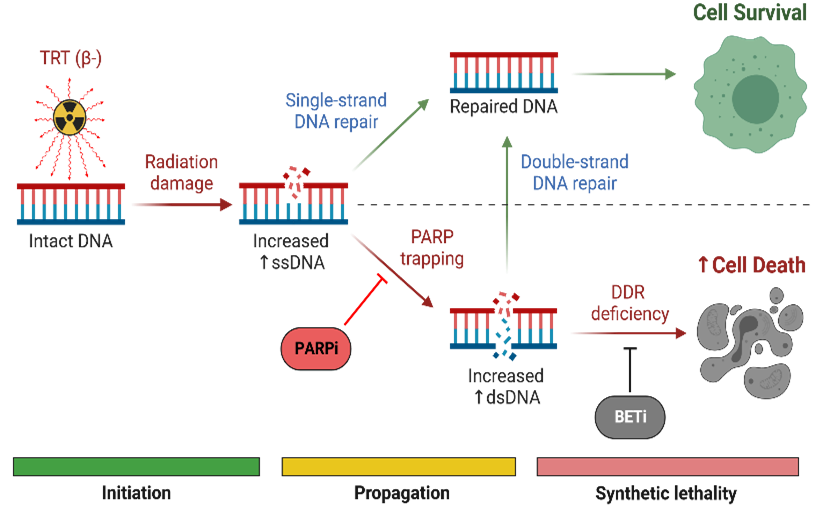
We are investigating 225Ac-PSMA radioligand therapy combined with BET inhibition to exploit the high–linear energy transfer and short path length of α-particles while disabling transcriptional and DNA repair programs that enable tumor survival. In PSMA-positive prostate cancer models, we test whether BET inhibition heightens α-induced double-strand–break lethality and deepens tumor control without sacrificing tolerability. Integrated in vitro and in vivo studies quantify DNA-damage signaling, cell-cycle arrest, and anti-tumor efficacy, alongside pharmacodynamics (e.g., BRD4/MYC targets, RAD51/BRCA1) and rigorous hematologic and off-target safety monitoring. Our objective is to define dose and sequence parameters that maximize the therapeutic index of 225Ac-PSMA and to deliver a biomarker-guided path to clinical translation.


Advancing Targeted Radiopharmaceutical Therapy for Triple Negative Breast Cancer
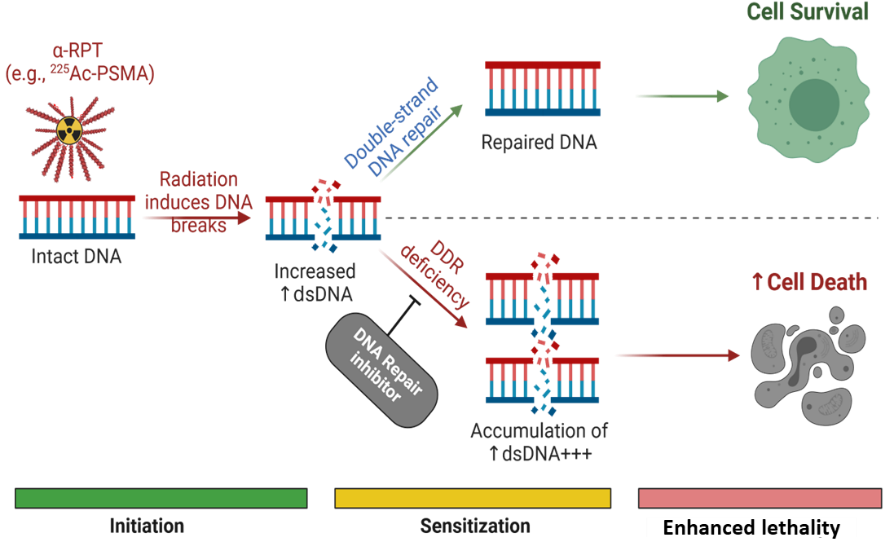
At our laboratory, we are dedicated to advancing therapeutic strategies for triple-negative breast cancer (TNBC), an aggressive subtype that lacks conventional molecular targets. Our research focuses on integrating PARP inhibition, BET inhibition, and targeted radionuclide therapy to enhance tumor radiosensitivity and therapeutic response. By combining DNA repair blockade with precision-delivered radiation, we aim to amplify tumor damage while minimizing effects on normal tissues. In addition to evaluating therapeutic efficacy, we are investigating the molecular mechanisms underlying treatment synergy. Our goal is to develop rational, mechanism-driven combination therapies that improve outcomes for patients with TNBC.



Project 1: Bismuth Daughter Redistribution in Targeted Alpha Therapy (TAT)
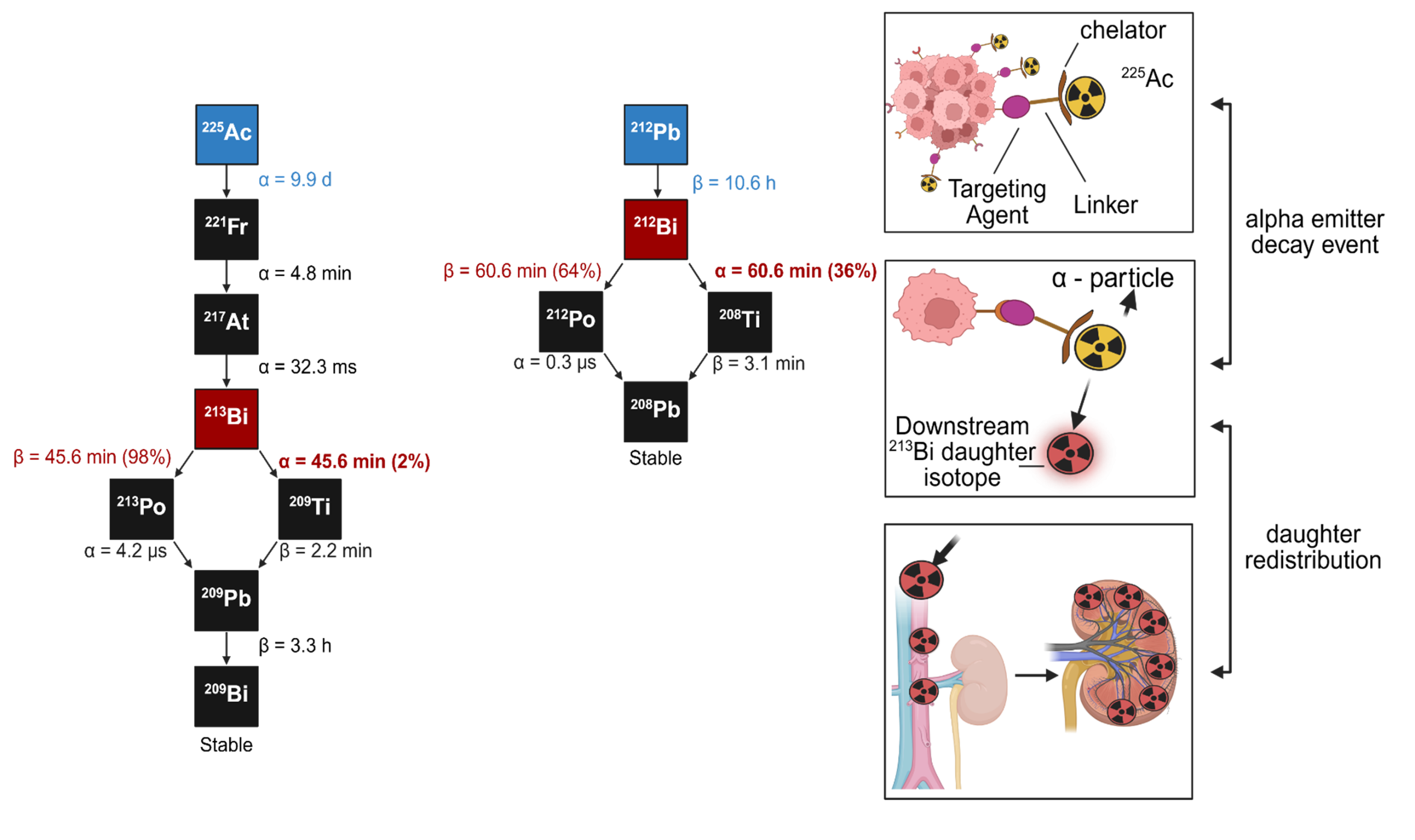
In the scope of radiopharmaceuticals, Lauren is working to assess and characterize the mechanism of bismuth daughter redistribution during targeted alpha therapy (TAT), namely for 225Ac and 212Pb, and evaluate possible remediation strategies to improve the efficacy and safety of TAT. In collaboration with the UW-Madison Cyclotron, Lauren is utilizing their novelly produced bismuth-206 radiotracer to mechanistically determine the route of bismuth accumulation in renal model through in vitro and in vivo means.
Project 2: Internal Exposure Model of Acute Radiation Syndrome
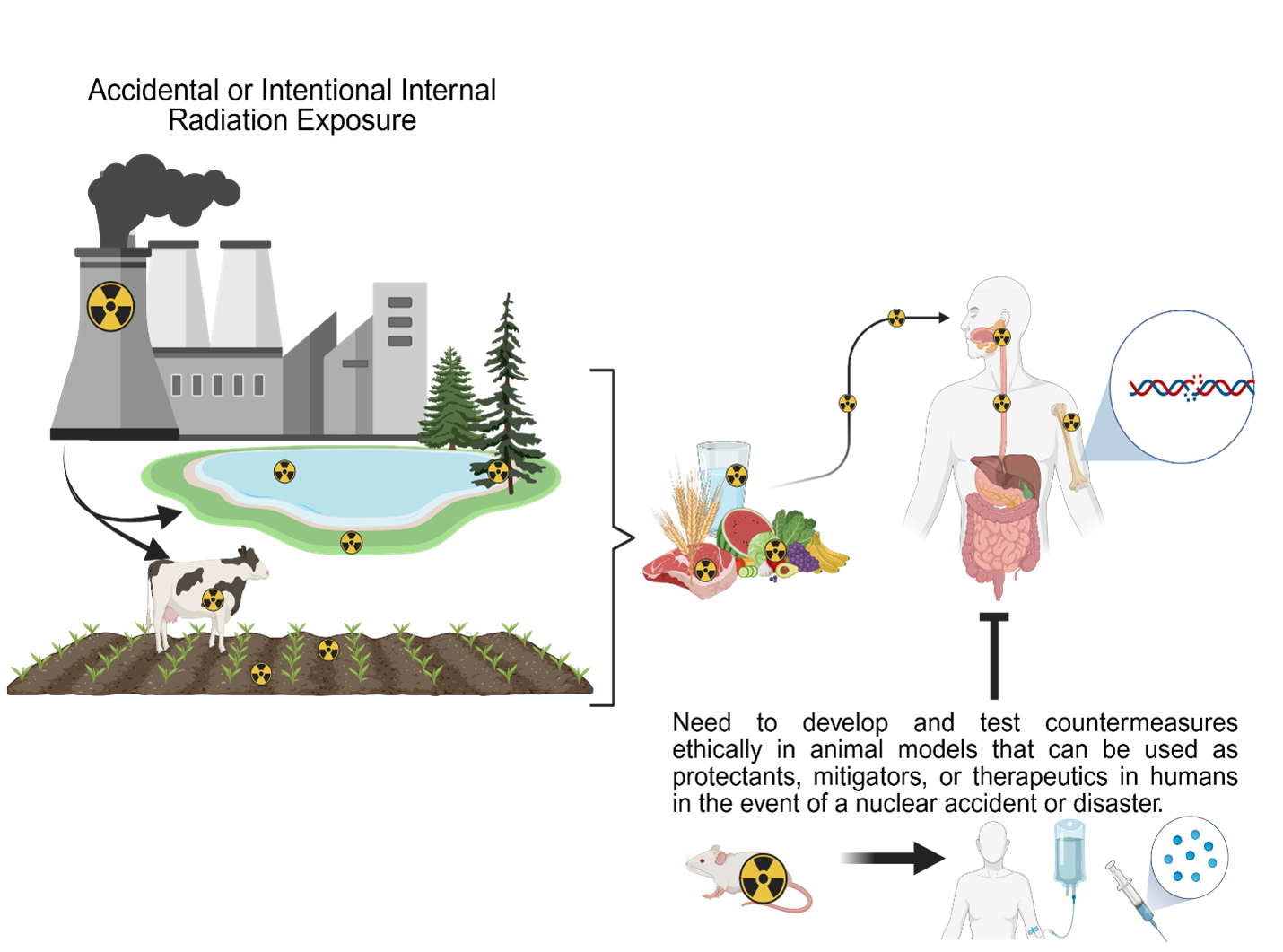
Lauren has additionally worked to develop and characterize an in vivo internal exposure model of hematopoietic-acute radiation syndrome (H-ARS) for the evaluation of radiation countermeasures in the event of accidental or intentional nuclear disaster. In vivo models are necessary for the development and testing of radiation countermeasure agents, however, the vast majority of models focus on exposure to external sources of radiation rather than radionuclides that may be internalized. Lauren has sought to utilize the yttrium-86/90 pair to characterize a bone marrow selective internal model.

Project 1: Modeling Radiopharmaceutical-Induced Tumor Senescence and RPT+Senotherapeutic Combination Therapy
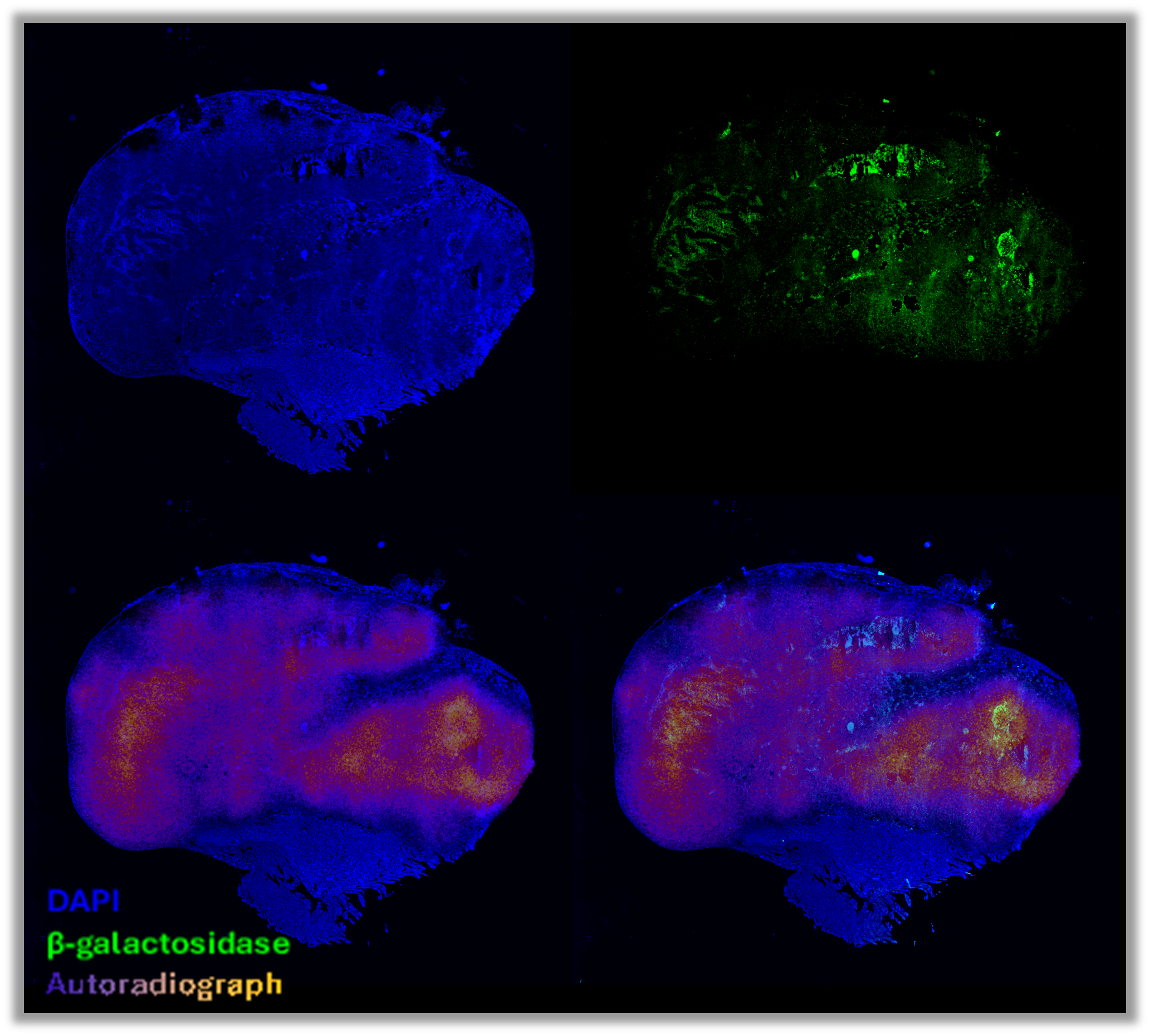
IR-induced cellular damage initiates a cascading series of molecular changes, including pathways of damage repair and, under certain conditions, pathways for programmed cellular destruction, like apoptosis and necrosis, or cell cycle arrest, like senescence. The radiobiology of RPT specifically is an active area of research and not yet perfectly understood; however, it is known that its unique physical dose deposition makes RPT prone to sublethal damage, and, by extension, alternative cell fates like senescence. MJ’s research seeks to characterize and model the generation of senescent cells following low-dose rate and protracted radiotherapy treatments, including RPT.
IR-induced senescence (IRIS) has contradictory roles in cancer radiotherapy, with both pro- and anti-tumor properties. From one perspective, IRIS inhibits tumor proliferation and induces acutely enhanced immunosurveillance and natural immunity. However, it is also associated with common radiotherapy late effects, like chronic inflammation, fibrosis, and organ dysfunction, as well as radioresistance, recurrence, metastasis, and secondary tumors. As an approach to ameliorating the harmful effects of RPT-induced senescence, their project also explores various combinations of RPTs with senotherapeutics to improve treatment outcomes.
Project 2: 3D Cell Culture “Stacks” Platform for Advanced in vitro Radiobiology Studies
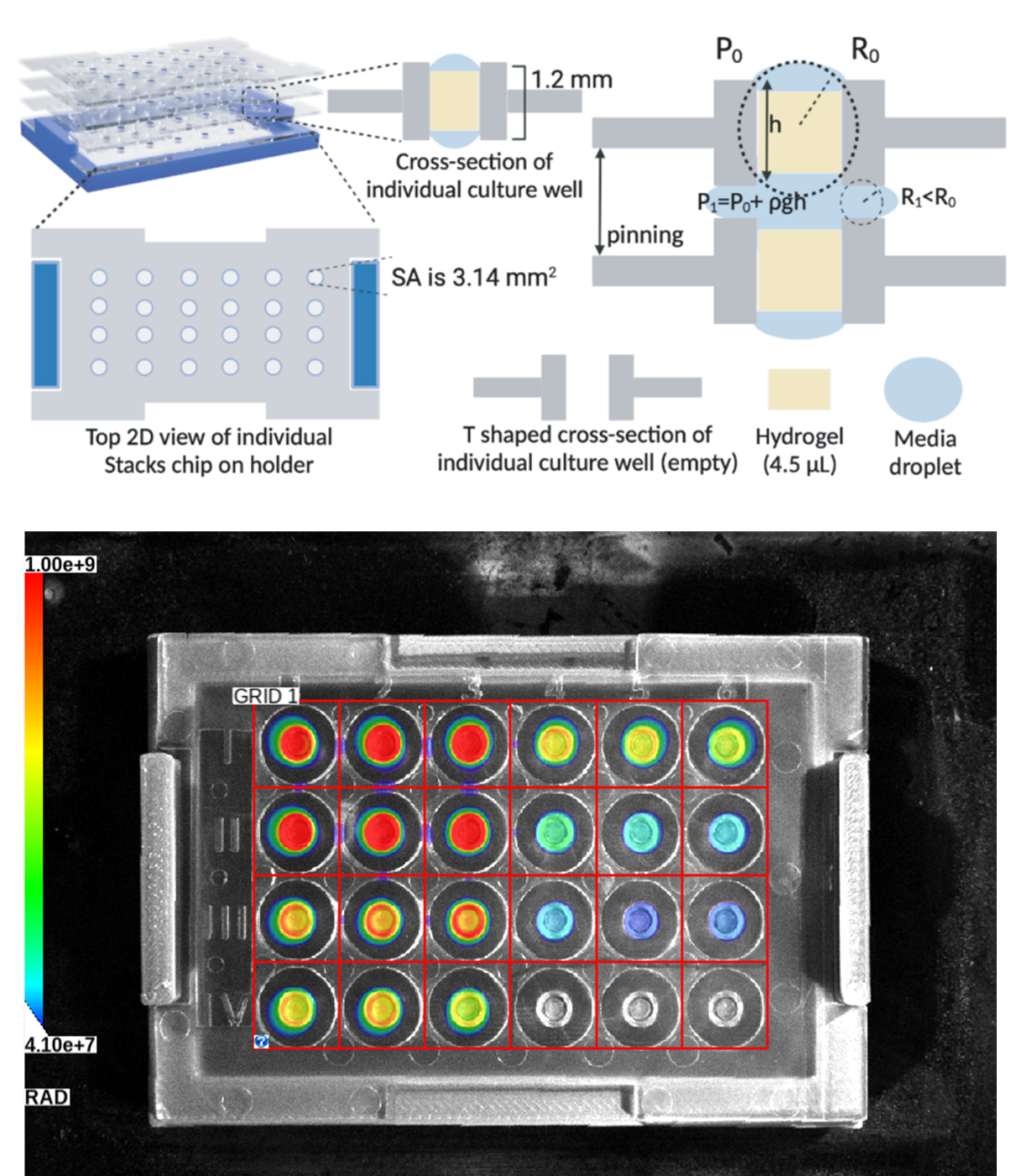
In collaboration with Dr. David Kosoff‘s lab, we have developed a 3D cell culture platform for in vitro radiobiology studies called “Stacks”. The Stacks platform allows us to suspend multiple distinct cell clusters within a collagen-fibronectin matrix enveloped within convectively circulating media droplets. This provides a more realistic treatment scenario as it both allows the RPT agent to distribute isotopically around the cell culture and provides a more realistic tumor microenvironment. The novel geometry has allowed us to capture radiobiological responses to 177Lu- and 225Ac-based therapies that more closely resemble what we see in vivo, namely increased radioresistance and more accurate RBE measurements. These results were made possible through the development of a bioluminescence imaging protocol which drastically reduces benchtop labor, improves throughput, and provides a novel way to view the viability of the 3D cell cultures.