Radiopharmaceutical Discovery and Development
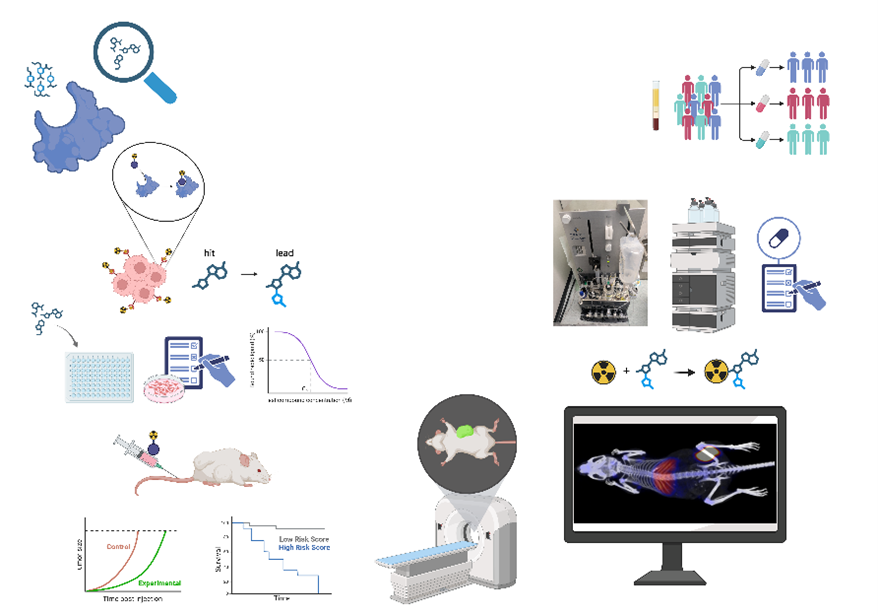
My research within the ART group focuses mainly on the discovery of new radiopharmaceutical candidates for radiotheranostic agents to treat certain cancers. My contributions span several stages of the drug discovery funnel, such as target profiling, designing key features in the molecules, and candidate screening using in vitro radioligand cell binding assays. Selected tracers are then studied in relevant preclinical models to assess their in vivo functional pharmacokinetics, tumor uptake, dosimetry, and radiotoxicity using in vivo imaging and biodistribution. On the translational front, I focus on radiosynthesis method development, radio-HPLC QC method development, and escalation towards GMP production, supporting the pre-IND activities for clinical translation, which is the ultimate goal of my research. Most of my activities have been dedicated to the development of three radiopharmaceuticals targeting the cancer lipid metabolism, carbonic anhydrase IX (CAIX), and the prostate-specific membrane antigen (PSMA).
Project 1: Evaluation of Next-Generation PSMA Radiopharmaceuticals for Targeted Alpha Therapy (TAT)
We are developing a series of novel Prostate-Specific Membrane Antigen (PSMA) radiopharmaceutical agents for Targeted alpha therapy (TAT) with the aim of obtaining the next generation of alpha-emitter radiopharmaceuticals for the treatment of metastatic Castration Resistant Prostate Cancer (mCRPC) using Ac-225.
We are assessing the impact of molar activity or mass dose on the in vivo biodistribution profile of preclinical models for mCRPC. Our aim is to address an existing gap in the literature, with strong potential implications towards clinical translation of TAT agents for mCRPC.
In parallel, we are studying the biodistribution profile and assessing the radiochemical stability of new TAT candidates incorporating new macrocyclic chelators, showing enhanced kinetic and thermodynamic stability for Ac-225. Our aim is to expand the therapeutic window of novel TAT agents by sparing normal tissues from critical radiotracer accumulation in any clinical setting.
Project 2: CA9 radioligands for imaging and radiopharmaceutical therapy of renal cancer
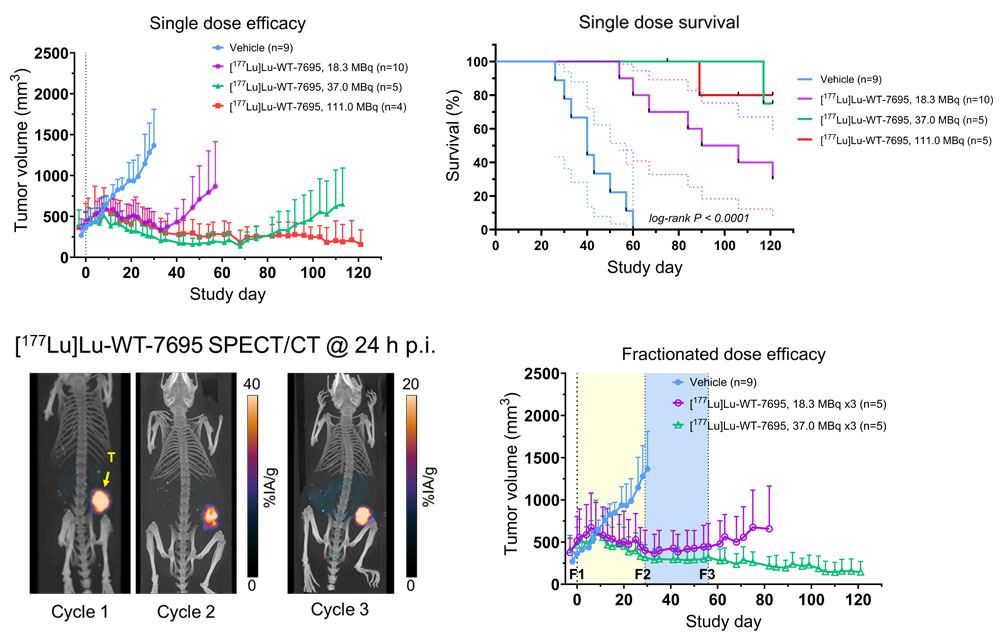
In collaboration with WARF Therapeutics, I contributed to the development of novel small molecules targeting CAIX in clear cell renal cell carcinoma (ccRCC). The radioligands of the lead candidate WT-7695, have shown best-in-class profile in terms of in vivo tumor uptake (55 %IA/g at 24 h pi), retention (18 %IA/g at 7 days), and efficacy. [177Lu]Lu-WT-7695 is 8- 20x more efficacious in vivo than published data from competitor molecules. This program has been licensed to SK Biopharmaceuticals, which will continue its clinical development.


Synthesis of long-acting PSMA radioligands with favorable PK for radiopharmaceutical thepary of prostate cancer
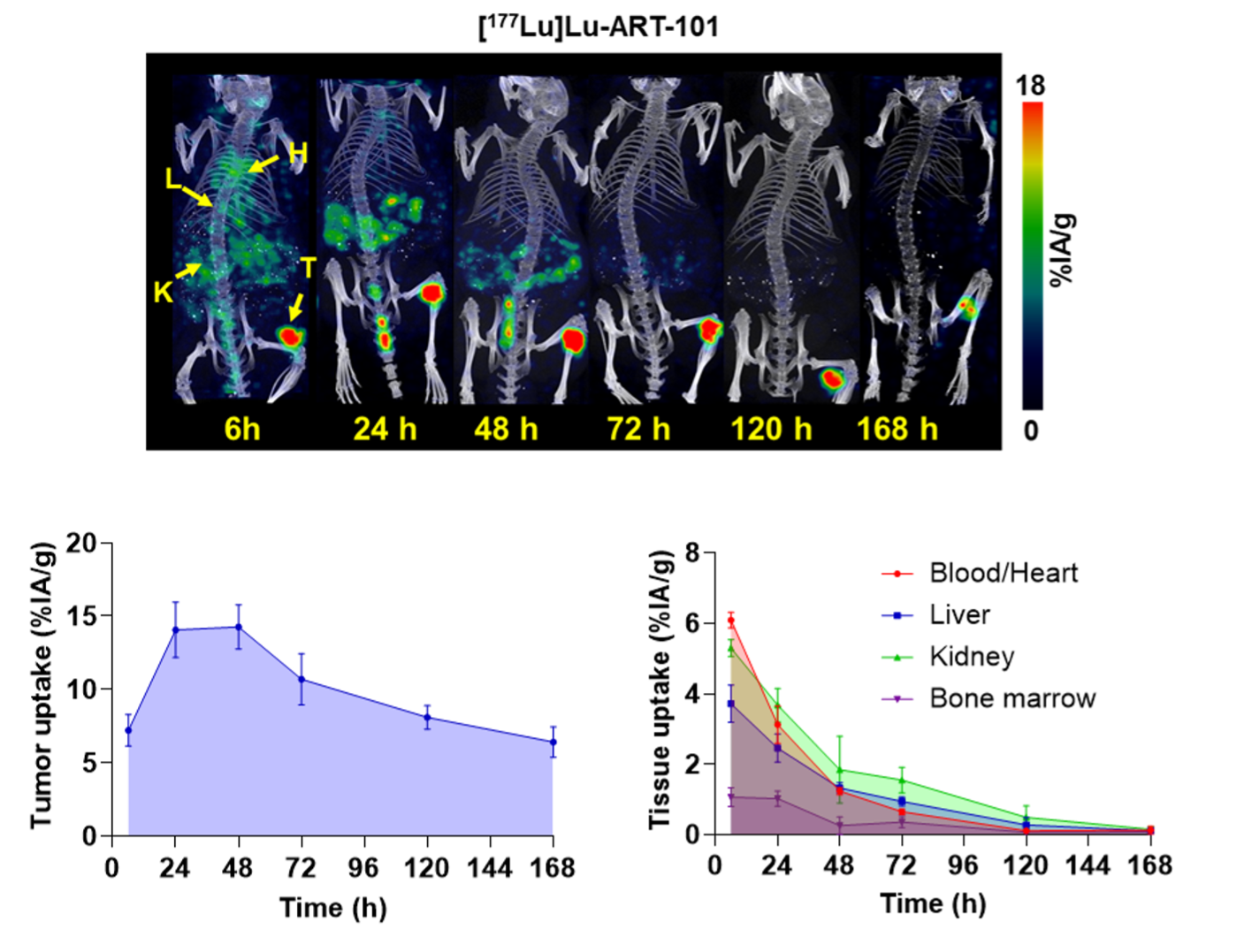
Potent alpha-emitting variants of PSMA-617 have shown enhanced response in over 80% of treated patients, including those progressing under 177Lu-PSMA-617, but with a trade-off in toxicities such as xerostomia. To enhance the tumor targeting and address the normal tissue distribution limiting dose escalation of current PSMA agents with 225Ac, we synthesized a novel series of PSMA agents with distinct pharmacology. By structurally tuning the hydrophobicity of PSMA binders, we developed ART-101, which, in PET/CT imaging studies, showed significantly higher tumor uptake and prolonged retention compared to PSMA-617. ART-101 displays pharmacokinetic properties that limit off-target uptake and toxicity in the kidney and salivary glands. We developed a scalable, cGMP amenable, synthesis and purification methodology for these hydrophobic compounds.

Generalizable methodology for the synthesis of heterofunctional macrocyclic chelators
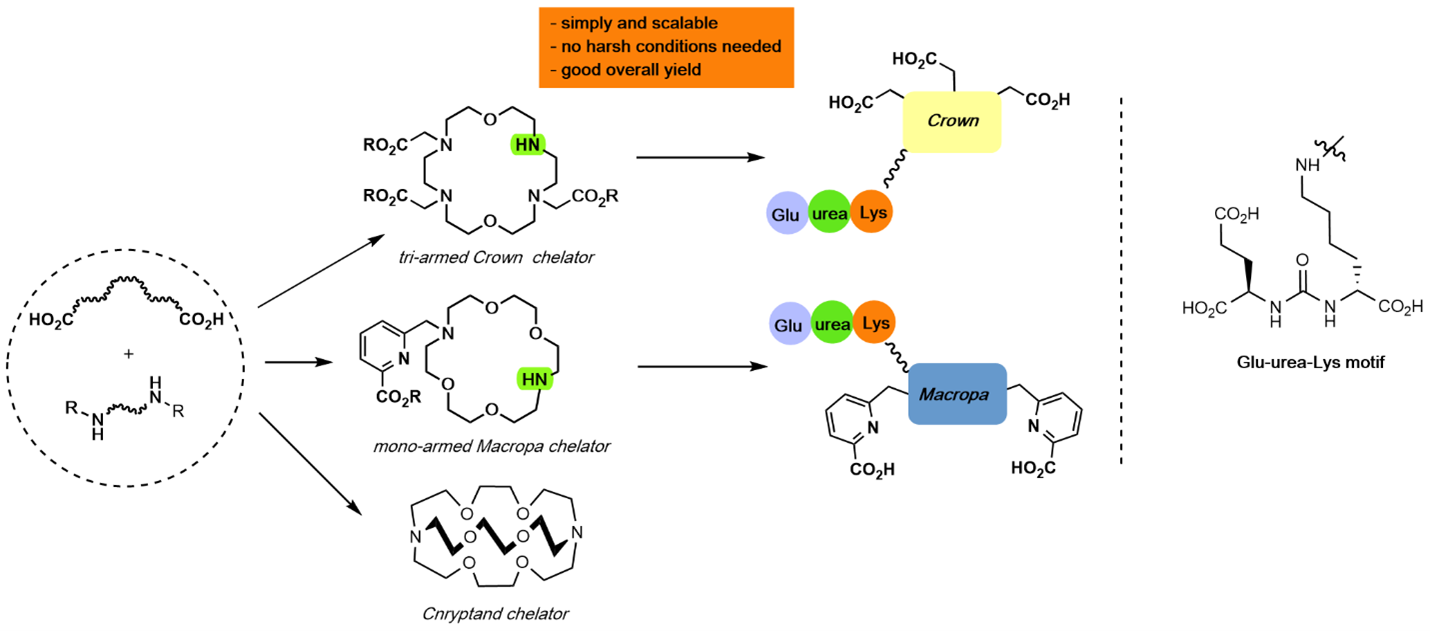
Radiopharmaceuticals are typically engineered as conjugates that combine receptor-specific targeting vectors with radionuclides, enabling precise delivery of radioactive agents to tumor sites. This strategy necessitates the use of chelating agents capable of forming kinetically and thermodynamically stable complexes with radiometal ions under physiological conditions. Despite their critical role, the field remains constrained by the limited synthetic accessibility and structural diversity of such conjugates. To overcome these limitations, we have developed a novel synthetic approach for the preparation of substituted tetra- and dilactams bearing orthogonally positioned carboxylate and picolinate functionalities. This significantly simplified the synthetic routes to key chelators, particularly tri-armed Crown and mono-armed Macropa, as well as [2.2.2]-Cryptand analogs. Most recently, we have begun to explore the functionalization of Crown and Macropa chelators with Glu-urea-Lys motif, establishing them as innovative PSMA-targeting agents with potential utility in radiotherapeutic applications.

Evaluation of Next-Generation PSMA Radiopharmaceuticals
We are conducting a comprehensive preclinical evaluation of ART-101, a next-generation PSMA-targeting ligand engineered in our laboratory for prolonged blood circulation and high tumor uptake. ART-101 is radiolabeled with 177Lu (β-emitter) or 161Tb (mixed β, conversion, and Auger electrons) and benchmarked head-to-head against 177Lu-PSMA-617. Across in vitro and in vivo studies, we evaluate cell uptake and binding, biodistribution, dosimetry, and anti-tumor efficacy, while rigorously assessing bone-marrow (hematologic) safety to define the therapeutic index and establish the advantages of ART-101 over current standards.

Evaluating STEAP1 membrane protein for PSMA targeted treatment
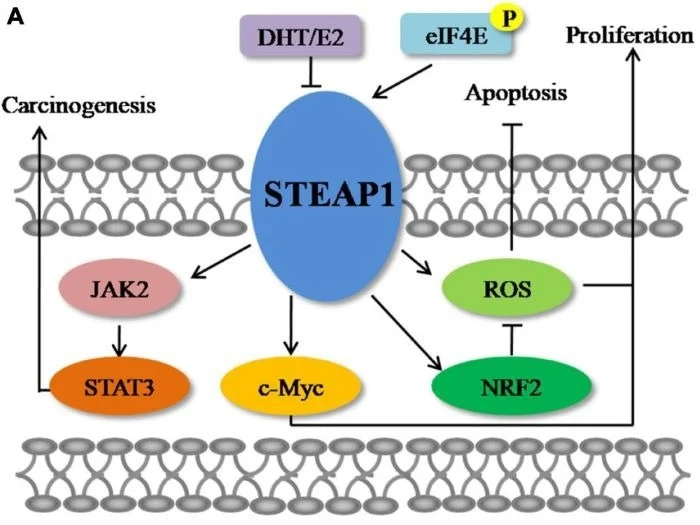
Mr. Cabahug’s research focuses on exploring new molecular target beyond PSMA, particularly the six-transmembrane epithelial antigen of the prostate (STEAP1). STEAP1 is a membrane protein that remains highly expressed in prostate tumors, including advanced castration-resistant prostate cancer (CRPC). After confirming its strong presence in diagnostic studies, his work focuses on evaluating STEAP1 in the therapeutic domain to understand its potential effectiveness and relevance as a treatment target. In the future, he hopes to help guide strategies to translating STEAP1 research from antibody-driven approaches to small-molecule therapeutics.